
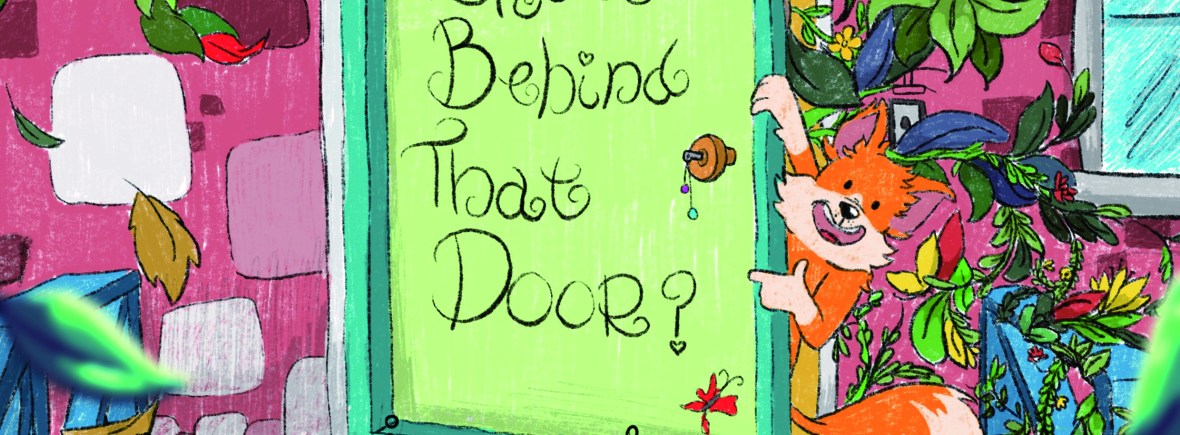
Summary:
‘What’s Behind That Door?‘ is all about opportunities and making choices. Sometimes not easy to try a new opportunity, it is easy to stay in the comfort zone. I wrote this book to challenge the my own comfort zone and try something new. Opening new doors is an adventure so enjoy the ride and don’t worry about the destination, the place it might lead. It’s how you got there that counts and making the most out of even the smallest things. So, let me challenge you with a simple question, ‘What door are you going to open on next?‘

You can find my book at the attached links:
ISBN (Hard cover): 978-0-6451603-0-7
Target, Amazon, Booktopia, Dymocks
ISBN (Paper back): 978-06451603-1-4
ISBN (ebook): 978-06451603-2-1
Inspiration:
I wrote this book after finishing my TAFE course. I used to think that I would get a great job right out of TAFE, I mean, back then it was only natural. It was just another step in life, you start in primary school then you move on to high school, then leave high school, go to university, get a job, easy right. I found out pretty fast that life is not like a movie. After walking off the stage with my degree, instead of finding myself in a job in the creative industry, I found myself in a long corridor of doors. I’m still knocking on new doors and finding new ways in. It’s not always easy, but what harm could it do to at least give it a try?
How was it made?
I had heaps of fun creating ‘What’s Behind That Door?’ it was an amazing experience trying something new. I never thought that I would actually publish a book but I’m glad I did. It was challenging and I learnt so much from it. Coming from an animation background I didn’t know where to start and how to get my new book out there. Looking back at it now, I have to say the hardest part about publishing a book is the admin. I didn’t know where to start with wholesalers, legal deposits, what ISBNs were, setting the PDF up correctly for print, and how to make it accessible to my audience.
I decided to take the project one step at a time so I wouldn’t be overwhelmed by the amount of work I needed to do. The best way to do this was spilt the project into 3 sections. Pre-Production, Production and Post Production. Much like animation and live action, this pipeline approach helped me monitor the development of the project as well as keep the steps organized and as simple as possible.

Pre Production or what I’d also like to refer to as the planning stage, came first. I had to finalize the drafts and sign off a final story structure and manuscript. Once I had the flow of the words in the order I wanted, I broke them up into different pages. During this time I some of the questions I asked:
- How many pages is the book?
- What size is the book?
- What dimensions is the book? (Landscape, square, portrait)
- What’s the layout? (pictures on one side, words on the next? or mixed?)
- What’s the style? (hand-drawn style? digital? mixed media?)
- Do the words flow? How do they work with the illustrations?
- Is there any double page spreads?
- How is it going to be read (left to right? or right to left?)
- Is there anything I need to outsource? (illustrators, editors, book designers, buying apps or programs to make the project?)
- What’s the target audience?
- What do I want the audience to take away from reading my book? What’s it’s purpose? (to entertain? To educate? etc.)
This helped give me a clear vision and the direction I wanted to take the book. It also helps to conduct a little research, find out what’s out there, what books work? If possible, I recommend sharing your idea with a focus group. Be mindful, you want to pick people who you can trust and are also honest. In the post production stage, I nearly changed all the pictures around after one of my peers gave me some great ideas. The problem with that was it had already taken me so long to draw and finalise all the images, I’d be scrapping at least half of the book. It was a tough call to make, because I wanted to improve it but time wise it could have easily taken another 3 months to another year to finish. After weighing the pro and cons, I decided to keep the book the way it was, and maybe look into making a sequel if this book did well. Being my very first book, it was more about learning the process, rather than making it the next best seller.
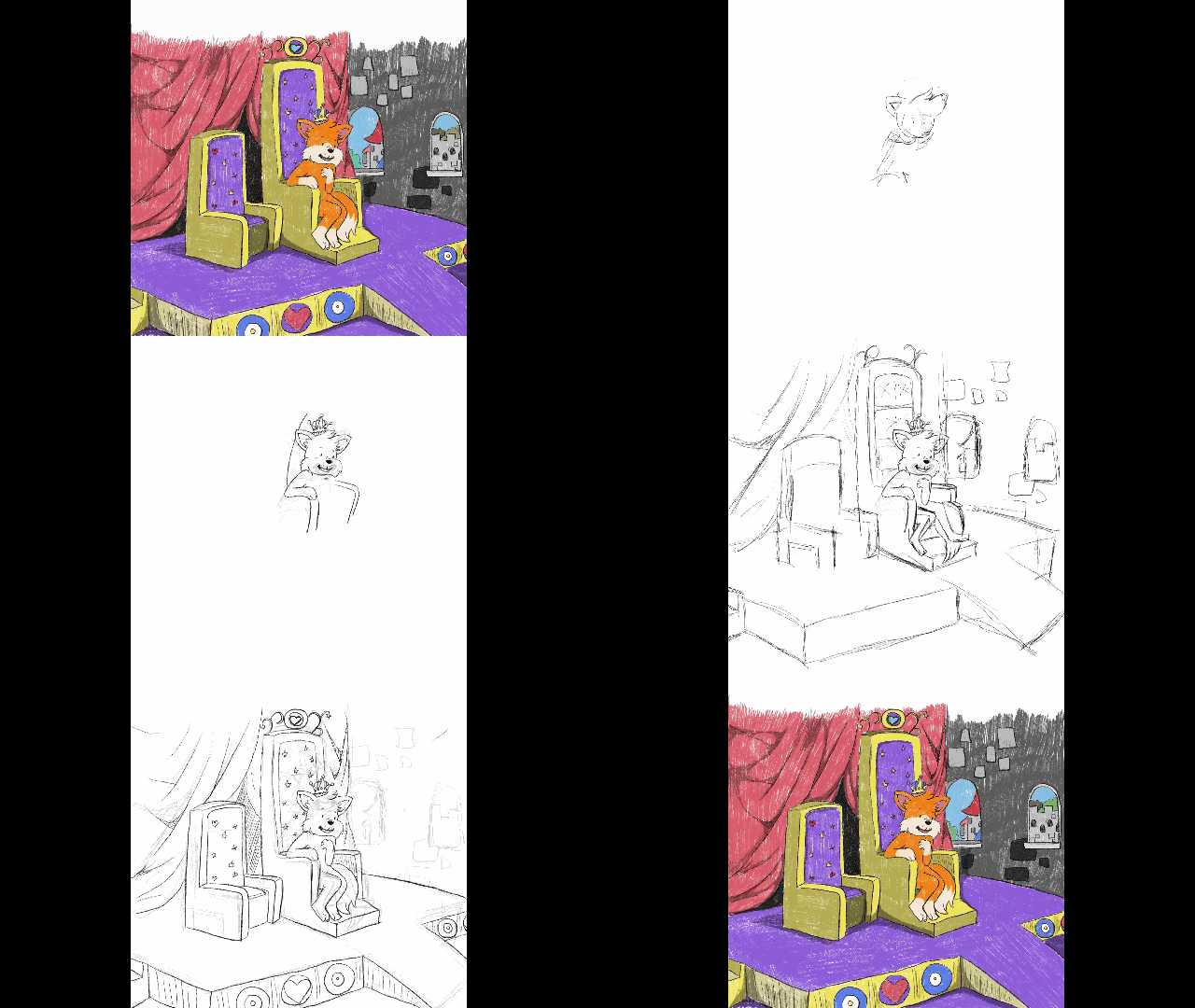
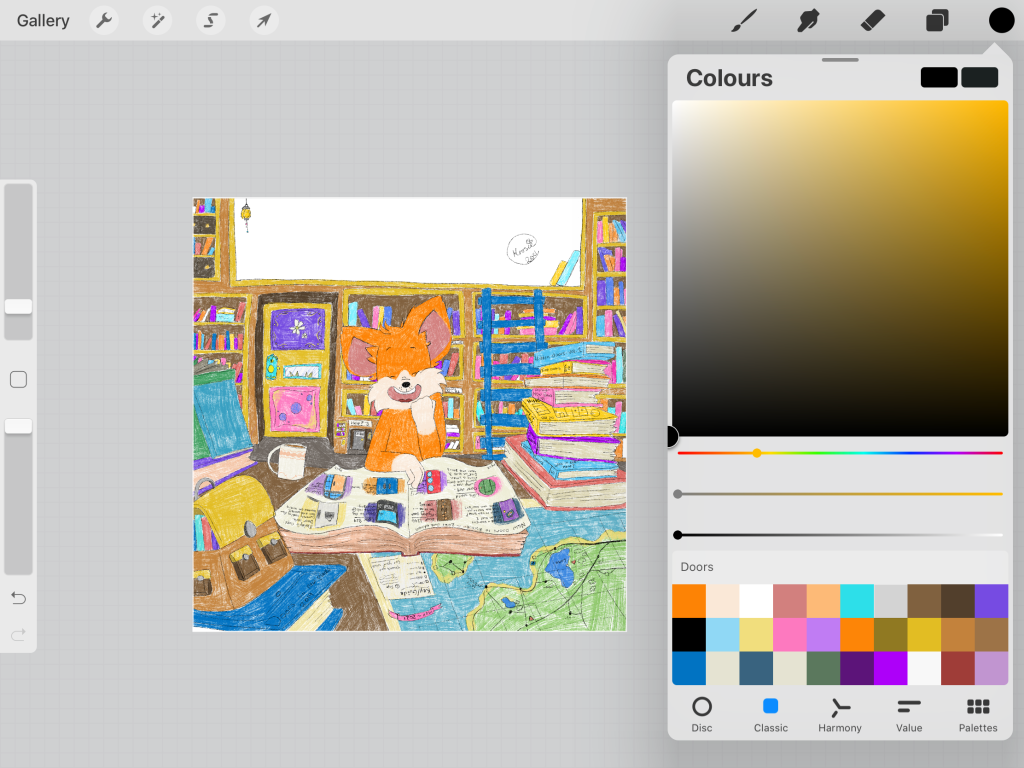
Production is one of my favourite sections. It’s nice to sit outside, or snuggle up in a big fluffy blanket on the couch and just draw. I created all the illustrations in Procreate on my tablet. I love using my tablet because I can literally bring it anywhere. I used the pencil tool in procreate to both colour and draw the illustrations. A tool that really helped was the colour pallet. I had the main colours of my fox character all set up, so when I was working on a new canvas I didn’t have to go back to the previous one and eye drop the colours.
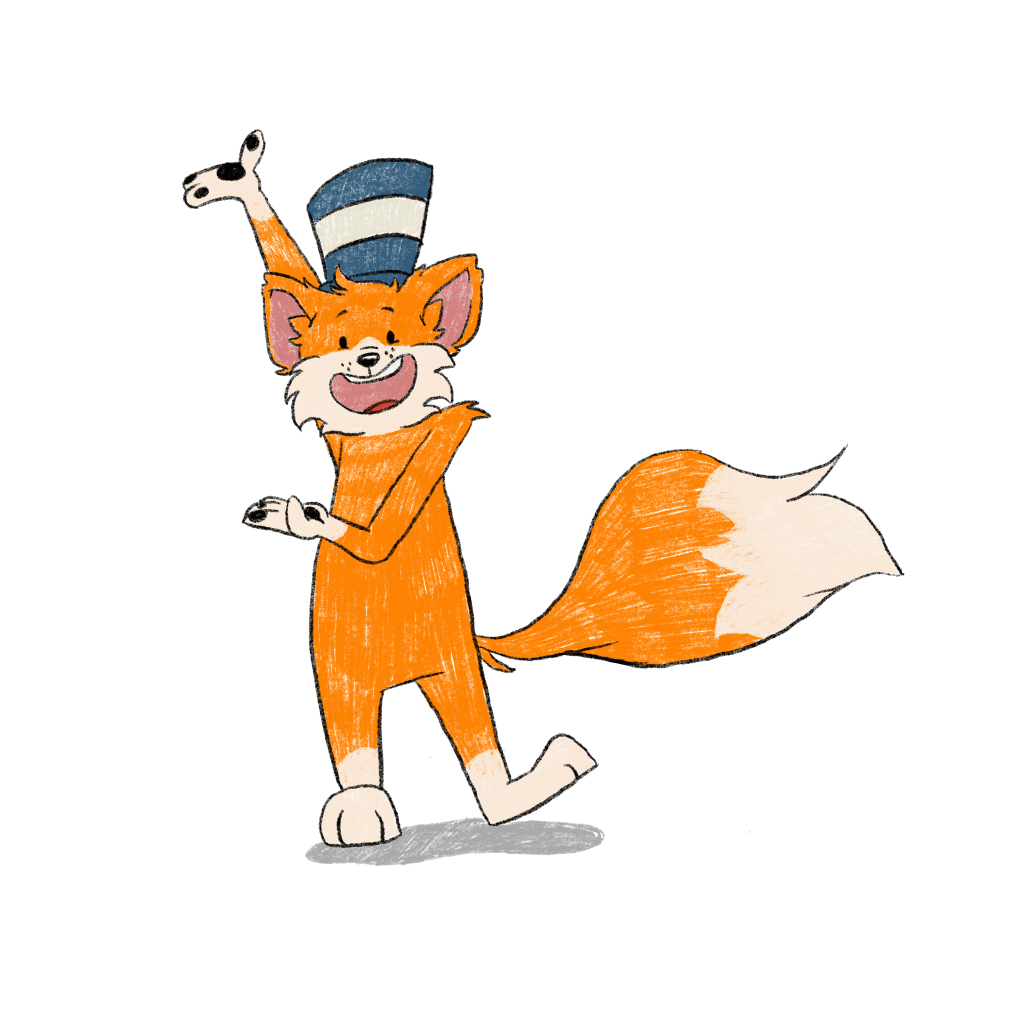
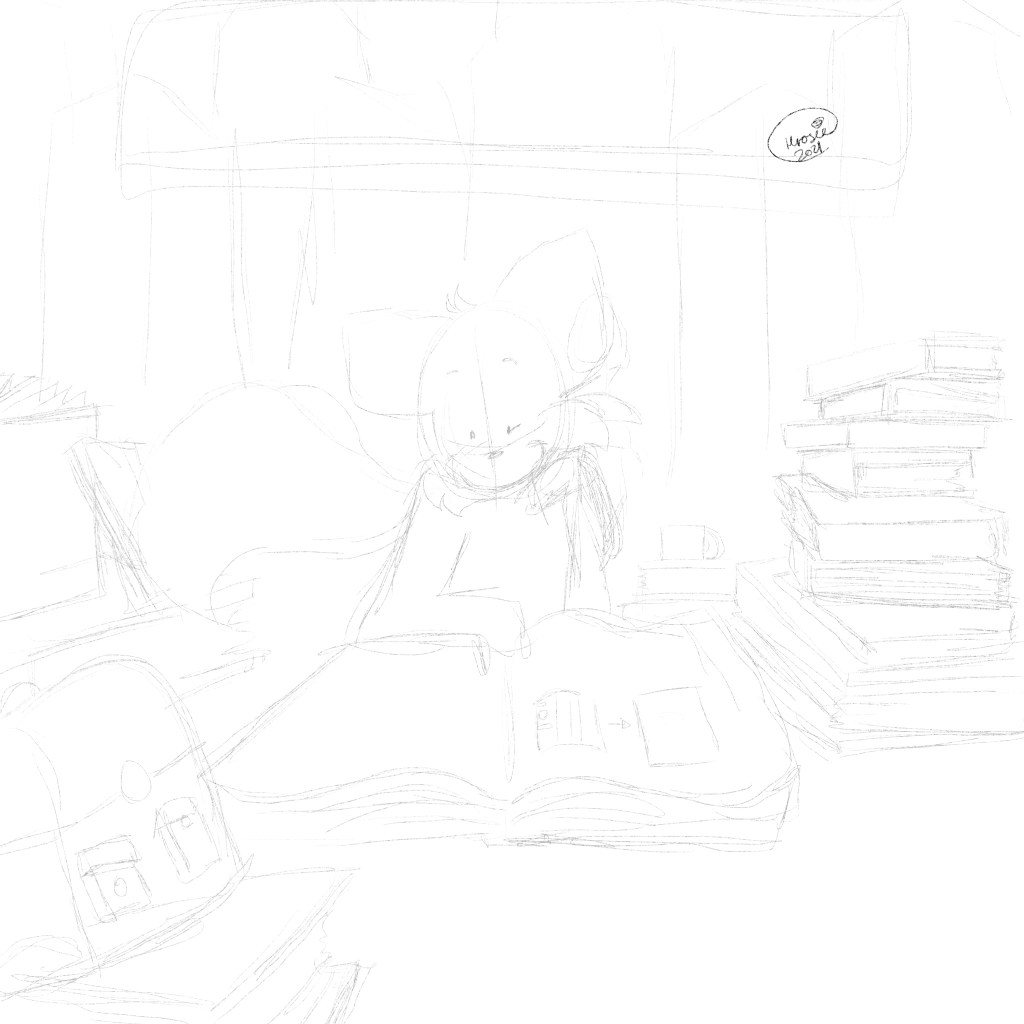
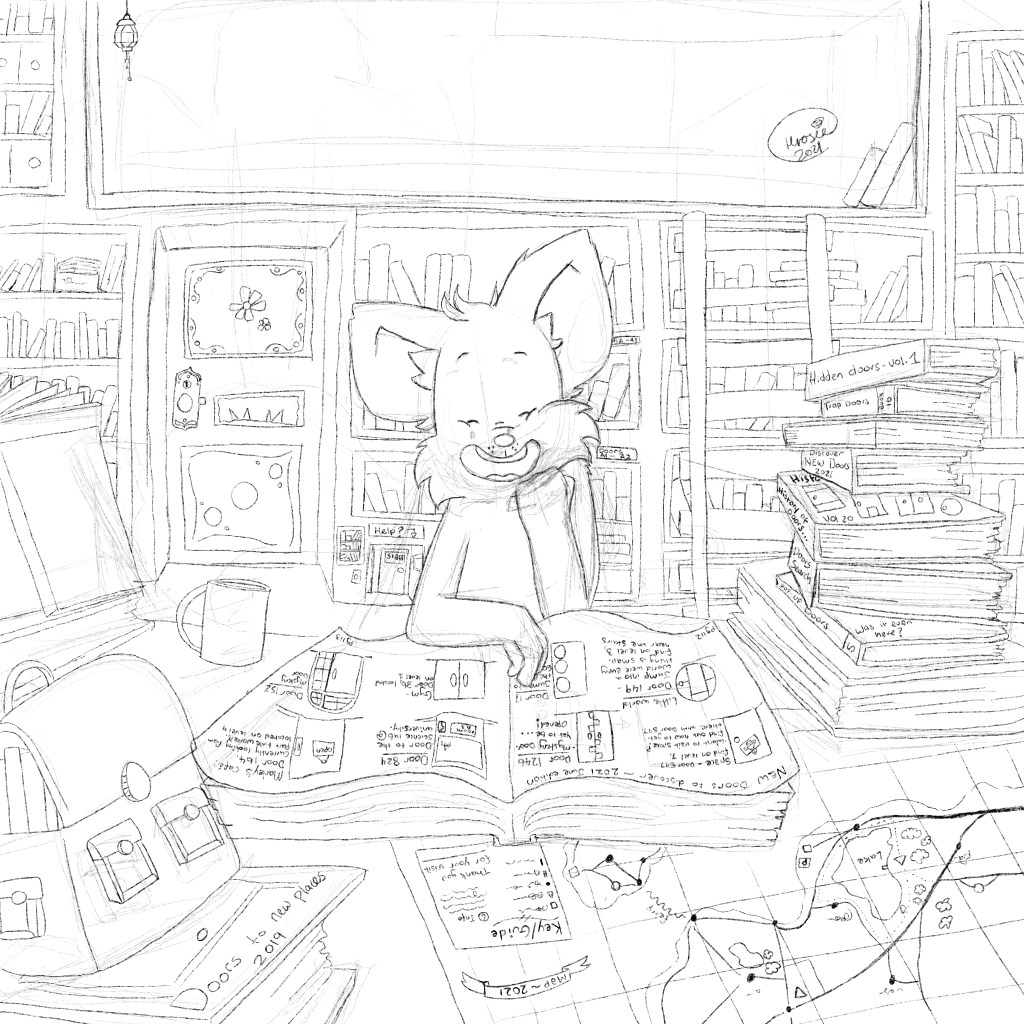
The illustrations bit was the easy part because I already had an idea of what I wanted to draw for each image. I would start off with a basic first draft then go over it in another layer if I needed to.
When that was finished I started with the base colours and then added in shading. Consistency is key.
The model (fox) needed to stay as close to the style sheet as possible as it would look strange if it changed from page to page. Framing was also important, before even starting the draft, I made sure that the image kept the same dimensions as the pages before it, so when it was all put together line work size and quality would stay the same.
Below I have attached a few examples on my production process:
First Draft
Second Draft:
Colouring – (base + shading colours):
Post Production is one of the most rewarding yet trickiest parts of the process. This is the part where you finally see the project come together. Printing a mockup book was very rewarding as it felt that all the hard work had finally paid off. The feeling is amazing when you finally see your book in online bookstores and start making little sales. When I first held my first mockup in my hands I couldn’t stop smiling. Creating this picture book helped me open a new door, and I’ll forever be grateful for this experience.
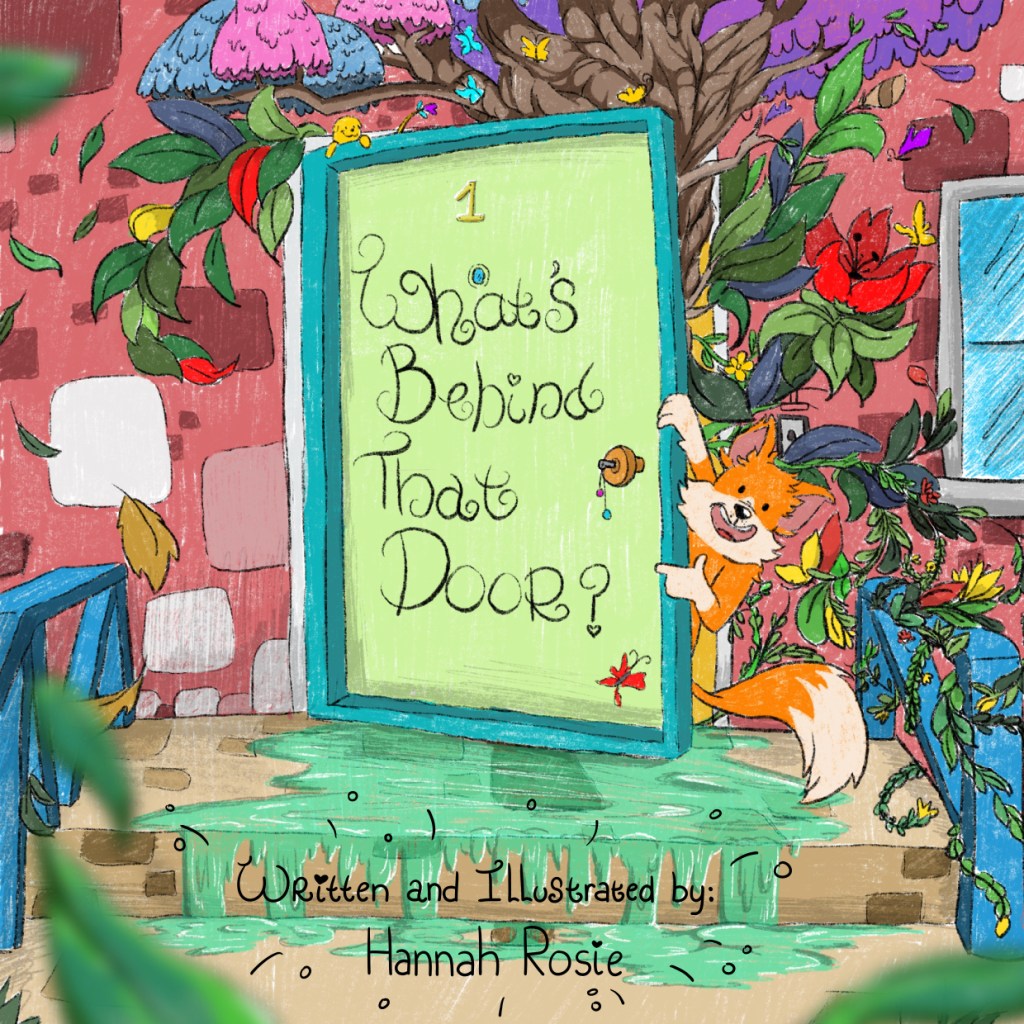
You can find ‘What’s Behind That Door at:
You can find my book at the attached links:
ISBN (Hard cover): 978-0-6451603-0-7
Target, Amazon, Booktopia, Dymocks
ISBN (Paper back): 978-06451603-1-4
ISBN (ebook): 978-06451603-2-1
Hannah Rosie is a 2D animator and illustrator based in Melbourne, Australia. She loves creating cute stories with a dash of comedy and fun.
External links:
Disclaimer: This is the process is based on my experience and the things that worked for me. Being my first book, I’m still a long way off from being an expert but I hope that my limited experience can help shed a little light on the pipeline process of self publishing. Before deciding on whether to self publish make sure you do the research to be sure that this is for you.
© Copyright website and contents, Rosie’s Art And Animation 2017 – 2022, ABN: 66 757 408 771, All rights Reserved.
 Rosie's Art And Animation